
Cultural perspectives on gambling How traditions shape behavior and beliefs
The Influence of Cultural Background on Gambling
Cultural background plays a significant role in shaping attitudes towards gambling. Different societies have varied beliefs regarding luck, skill, and the moral implications of betting. For instance, in some cultures, gambling is viewed as a form of entertainment and social engagement; in fact, you might even find experiences like those offered by Aviator to illustrate its appeal. Meanwhile, in others, it may be seen as a vice or a sin. This dichotomy can lead to differing regulations and social acceptance levels concerning gambling activities.
Furthermore, traditional beliefs often intertwine with contemporary views on gambling. In many Indigenous cultures, for example, games of chance were part of ceremonial practices, emphasizing community and luck as crucial elements. These historical roots can influence current behaviors, fostering a collective approach to gambling that prioritizes social bonds over individual gain.
The Role of Luck vs. Skill in Gambling
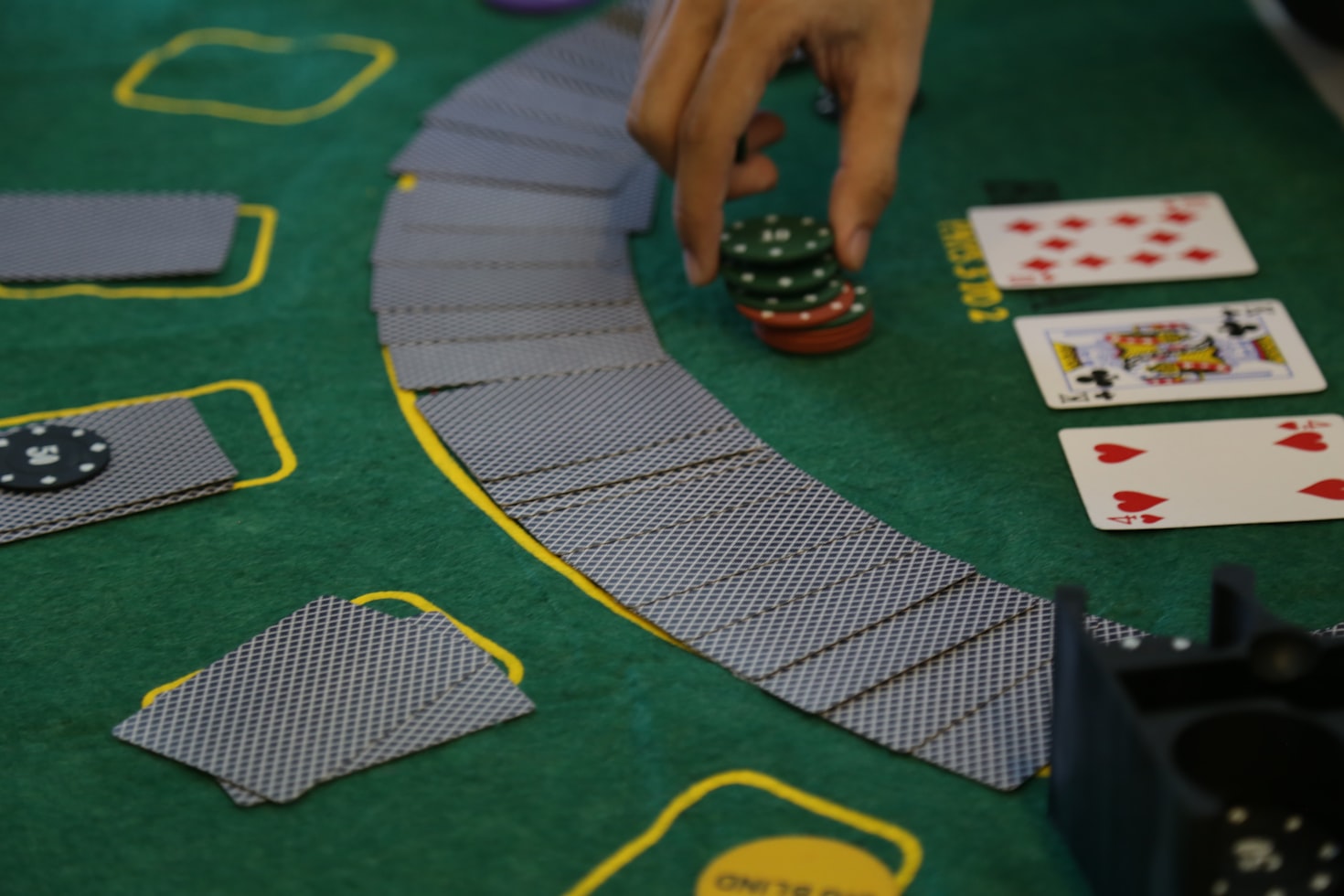
In gambling, the debate between luck and skill is a longstanding one that varies greatly across cultures. In Western societies, games like poker are often perceived as skill-based, where strategies and psychological tactics come into play. Conversely, games such as roulette are typically viewed as purely luck-driven. These cultural distinctions affect how people approach gambling—some may invest time in mastering strategies, while others might simply rely on chance.
In contrast, other cultures may emphasize the role of luck in all gambling forms. In these contexts, rituals and superstitions often accompany gambling activities, with participants believing that certain practices can enhance their odds of winning. This illustrates how cultural narratives around luck and skill can shape individuals’ behaviors and expectations in gambling scenarios.
Gambling as a Social and Community Activity
Many cultures perceive gambling as a communal experience rather than a solitary one. Events such as lotteries, bingo nights, and gaming festivals often serve as social gatherings, allowing communities to come together and strengthen bonds. This communal aspect can create a sense of belonging and shared experience, making gambling more than just a financial transaction.
Moreover, these social contexts can lead to the formation of gambling traditions unique to specific communities. For example, during holidays or festivals, gambling games might be incorporated into celebrations, reflecting cultural heritage. Such practices not only enhance enjoyment but also reinforce communal identity, illustrating how gambling intertwines with cultural traditions.
The Impact of Legislation on Cultural Beliefs
Legislation surrounding gambling varies widely across different regions, profoundly influencing cultural perceptions. In countries where gambling is heavily regulated or prohibited, societal views often mirror these restrictions, perceiving gambling as taboo or dangerous. Conversely, in regions where gambling is legalized and integrated into the economy, it may be embraced as a legitimate form of entertainment.
This legal framework can also affect how traditions evolve over time. In places where gambling is celebrated, traditional games might adapt to include modern elements, thus keeping cultural practices alive. In contrast, strict regulations can stifle traditional gambling activities, leading to a disconnect between cultural heritage and contemporary practices.

The Future of Gambling in Cultural Contexts
As global perspectives on gambling continue to evolve, cultural contexts will also undergo changes. The rise of online gambling platforms presents new challenges and opportunities for traditional practices. How different cultures adapt to these changes will reflect their inherent beliefs about luck, skill, and the role of gambling in society.
In conclusion, understanding gambling from a cultural perspective allows for a deeper appreciation of the diverse beliefs and behaviors associated with it. As societies become more interconnected, the blending of traditions and new influences may reshape the landscape of gambling, making it a dynamic aspect of cultural expression.

