
The cultural significance of gambling throughout history
The Origins of Gambling
The history of gambling dates back thousands of years, with archaeological evidence suggesting its existence in ancient civilizations such as Mesopotamia and China. These early forms of gambling often took the shape of simple games involving dice or betting on outcomes of various events. As societies evolved, so did the complexity of these games, reflecting the cultural and social dynamics of the time. For instance, many enthusiasts now explore related concepts, including governancevote.ca, to better understand the landscape of gambling.

In ancient Rome, gambling became a popular pastime among citizens, often associated with significant events such as gladiatorial contests. This connection between gambling and public entertainment reinforced its cultural relevance, as communities gathered to enjoy the spectacle while placing bets. The integration of gambling into social rituals and festivities illustrates its role in building community bonds.
Gambling in Religious and Cultural Contexts
Throughout history, many cultures have intertwined gambling with religious practices and beliefs. For instance, in certain Native American tribes, games of chance were played as part of spiritual ceremonies, symbolizing the unpredictability of life. Similarly, ancient Egyptians often associated gaming with their gods, believing that luck was a divine gift. Such practices show that gambling was not merely a means of entertainment but also a way to engage with deeper existential questions.
In contrast, other cultures viewed gambling with suspicion, often associating it with vice and moral decay. This duality in perception highlights how gambling has shaped and reflected societal values, influencing laws and regulations over time. As a result, gambling has remained a contentious issue, with debates surrounding its moral implications still prevalent today.
The Evolution of Gambling through the Ages
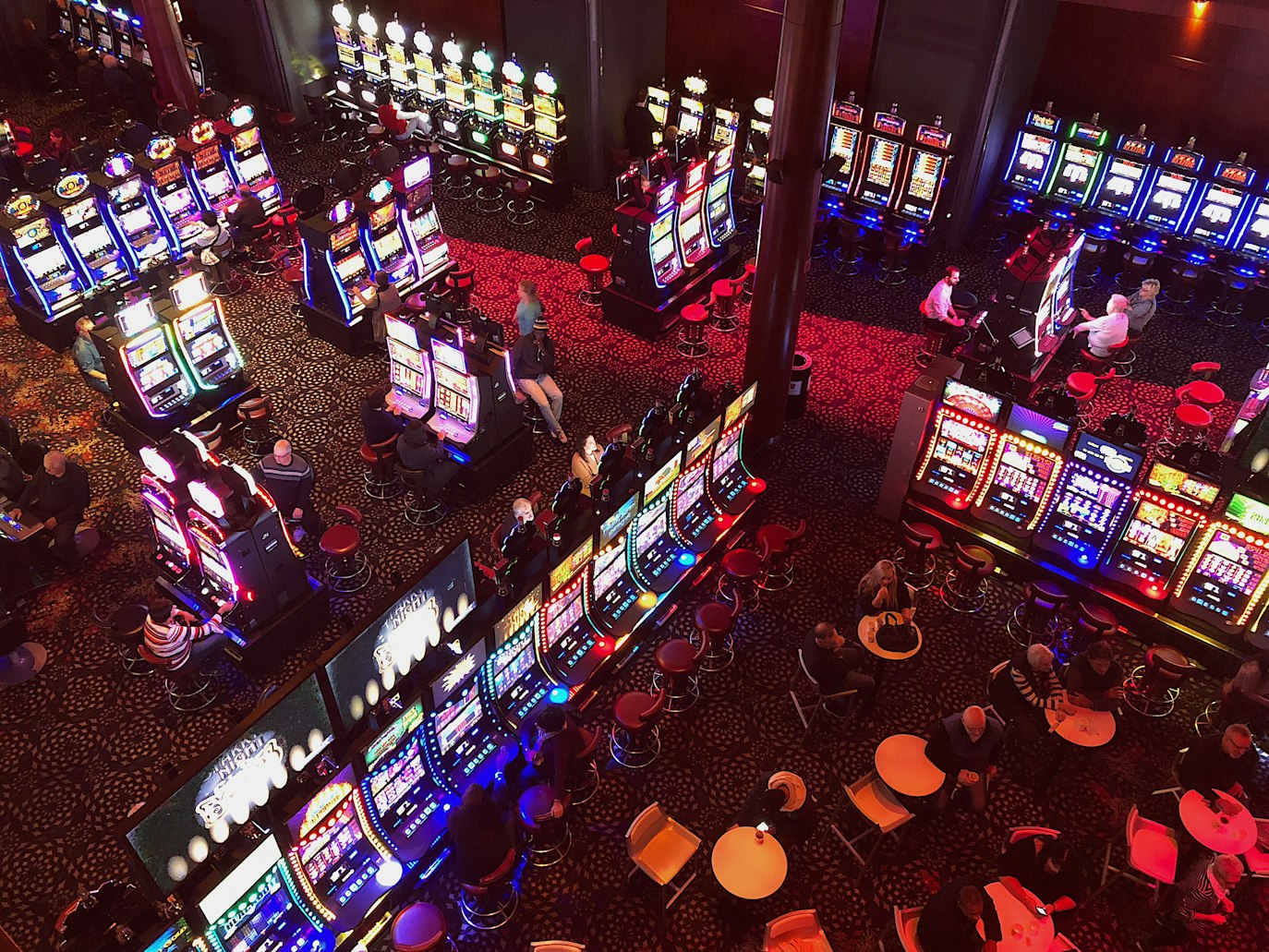
As societies advanced, so too did the structures surrounding gambling. The establishment of casinos in the 17th century marked a significant shift, transforming gambling from informal gatherings into organized enterprises. These venues not only provided a place for gaming but also fostered economic growth and tourism in various regions, reflecting the commodification of gambling.
The rise of technology in the 20th century further revolutionized gambling, leading to the emergence of online casinos and mobile gaming. This evolution has made gambling more accessible than ever, impacting cultural perceptions and altering traditional practices. The global reach of online gambling platforms has created a new cultural phenomenon, bridging gaps across different societies.
Modern Gambling and Its Cultural Implications
In contemporary society, gambling has evolved into a multi-billion-dollar industry that influences various aspects of culture, from fashion to entertainment. Television shows and movies often portray gambling as glamorous, reinforcing its appeal and further embedding it within popular culture. This representation can shape public attitudes toward gambling, sometimes glamorizing the risks associated with it.
Moreover, the rise of gambling-related legislation reflects shifting societal attitudes, with many jurisdictions legalizing and regulating various forms of betting. This evolution indicates a growing acceptance of gambling as a legitimate form of entertainment, though it also raises concerns about addiction and social implications, leading to ongoing debates about responsible gambling practices.
The Importance of Security in Online Gambling
As the online gambling industry expands, ensuring a secure environment for users becomes paramount. Many platforms prioritize user safety, implementing robust security protocols to protect personal information and prevent fraud. This focus on security is essential for maintaining user trust and enhancing the overall experience of online gaming.
For those encountering access issues, it is vital to reach out to platform owners for support. A dedicated team can assist users in navigating security measures while ensuring a safe and enjoyable gambling experience. The balance between security and accessibility reflects the ongoing evolution of the gambling industry in the digital age, showcasing its cultural significance and the need for responsible practices.

